Would You Spot a Phishing Email in 2026?
With the rise of the AI, phishing emails are no longer always full of spelling mistakes, strange wording and obviously suspicious links.
Today, cyber criminals can create convincing emails that appear to come from Microsoft, banks, suppliers, government organisations or even someone inside your own business. AI even allows them to create fake phone calls and customer service representatives using the voices of people you may recognize.
With AI making fraudulent messages easier to produce and data breaches giving criminals access to more personal information, phishing attempts can now be highly targeted and very believable.
Cyber Security in the News
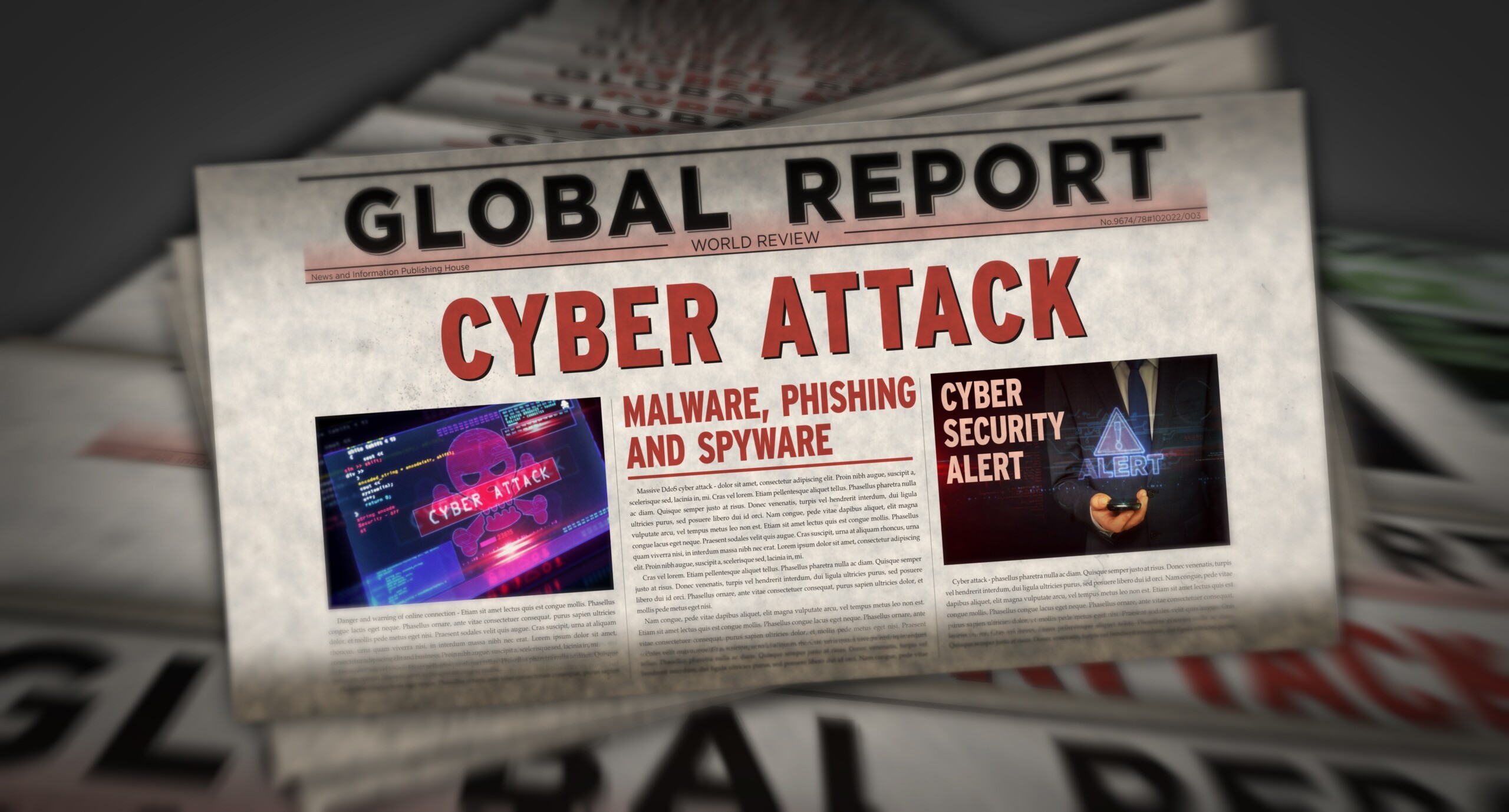
Recent cyber incidents show how quickly threats are changing. Here are two simple lessons every business should know.
Data Breaches Can Lead to More Scams
Stolen information can be used to create convincing follow-up emails, texts and calls. Be cautious even when a message contains details that appear genuine.
Cyber Security in the News
Recent cyber incidents are a reminder that attacks can affect any organisation. Here are two important lessons businesses can take from recent events.
4 things to check before you click
Why does this matter?
A phishing email may be designed to steal your password, access your Microsoft 365 account, redirect payments, install malicious software or obtain sensitive business information.
Sometimes the message may even include information that appears genuine, such as your name, company details, a supplier you use or a service you recently accessed.
That does not necessarily mean the email is legitimate.
One simple rule
If a message asks you to log in, approve something, make a payment or share information unexpectedly, verify it through another method first.
Vector Cyber Security
At Vector IT Systems, we help businesses reduce these risks through Microsoft 365 security, MFA, monitoring, backups and ongoing IT support.
Think something looks suspicious? Report it early
STAY IN THE LOOP